Quem foi Tarsila do Amaral? Quais suas contribuições para arte?
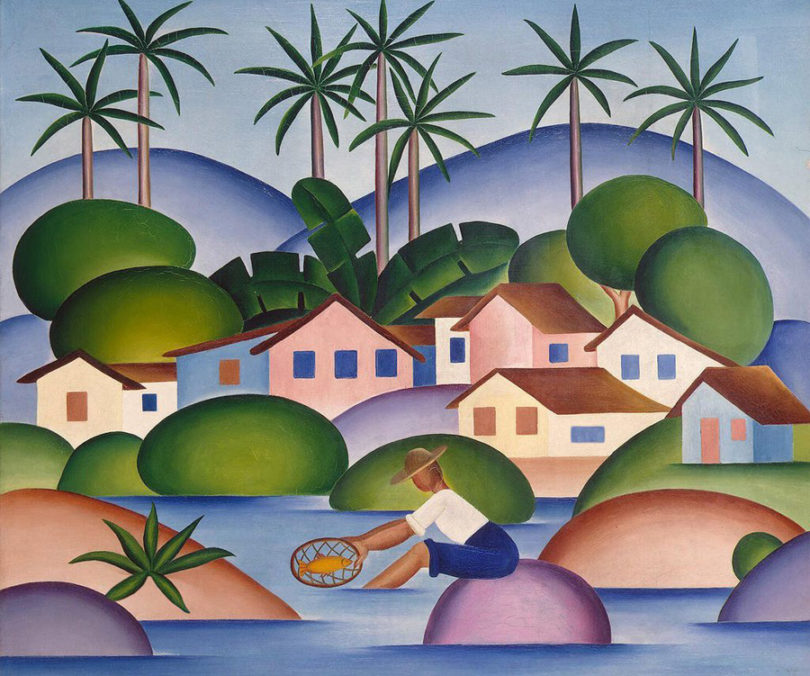
Sep 1, 1886 - Jan 17, 1973. Tarsila de Aguiar do Amaral was a Brazilian painter, draftswoman, and translator. She is considered one of the leading Latin American modernist artists, and is regarded as the painter who best achieved Brazilian aspirations for nationalistic expression in a modern style. As a member of the Grupo dos Cinco, Tarsila is.
10 obras modernistas de Tarsila do Amaral Toda Matéria
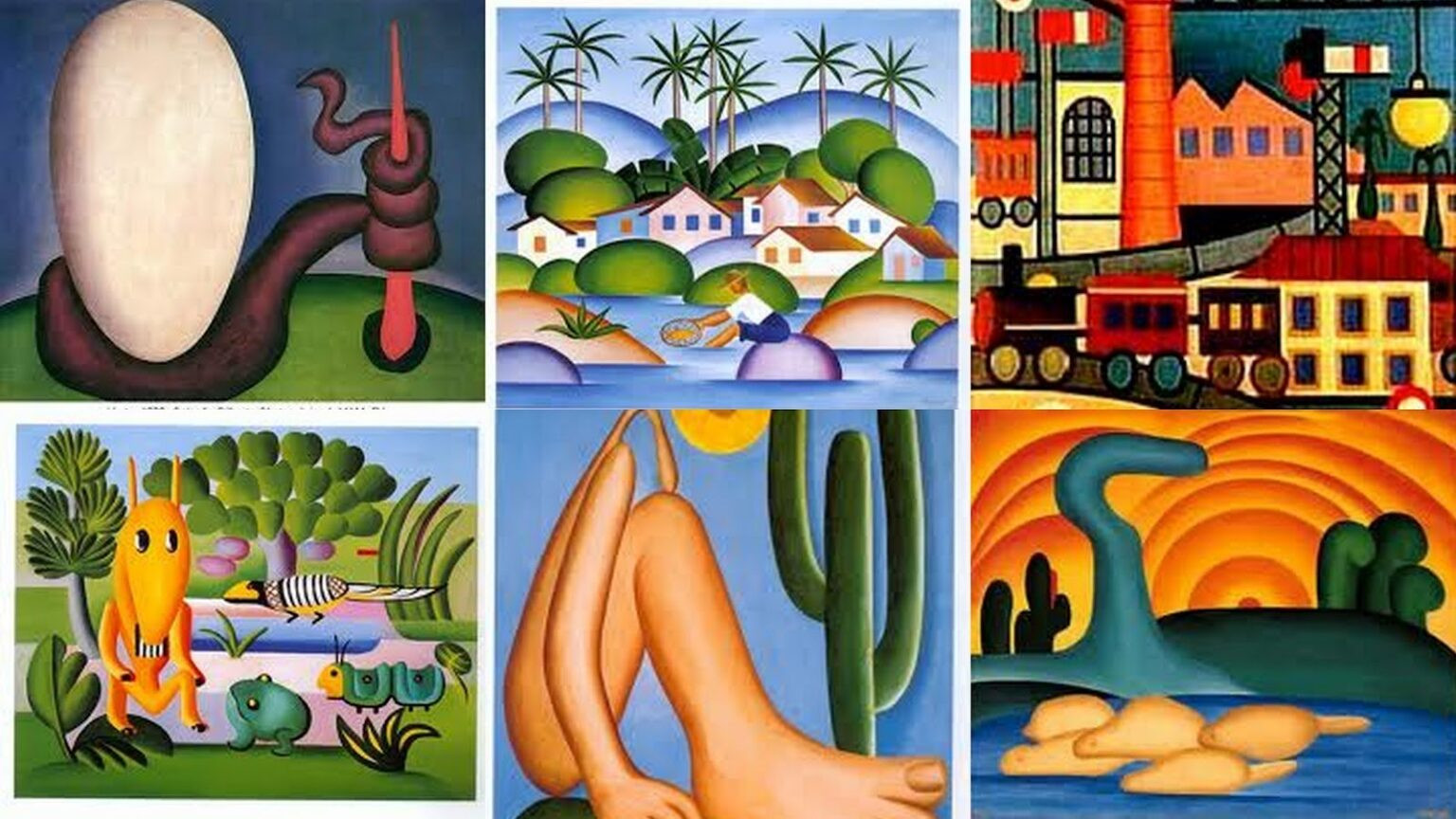
Tarsila do Amaral teve uma carreira de sucesso e é um dos principais nomes da pintura brasileira. Para compreender um pouco mais da sua trajetória, selecionamos as suas onze obras de arte mais importantes.. Atualmente a tela se encontra no acervo do Museu de Arte Contemporânea da Universidade de São Paulo. Retrato de Oswald de Andrade.
Figura só. Obra de Tarsila do Amaral que retrata um momento reflexivo da artista Arte no Caos

Tarsila do Amaral was one of the leading figures in defining a Brazilian modernist tradition. Hers is one of many cases illustrating the centrality of women artists in modernizing art movements throughout Latin America. Decades later, the influence of the Anthropophagic movement was rediscovered, celebrated, and restored by a generation of.
Biografia de Tarsila do Amaral Saiba mais sobre sua história
Tarsila do Amaral. The Moon. 1928. In the 1920s, do Amaral frequently traveled between São Paulo, her native city, and Paris. There, she became acquainted with artists such as Constantin Brâncuși and Fernand Léger, and witnessed a variety of avant-garde artistic strategies. In this painting of a moonlit scene, a lonesome cactus resembling a.
Tarsila do Amaral Inventing Modern Art in Brazil MoMA
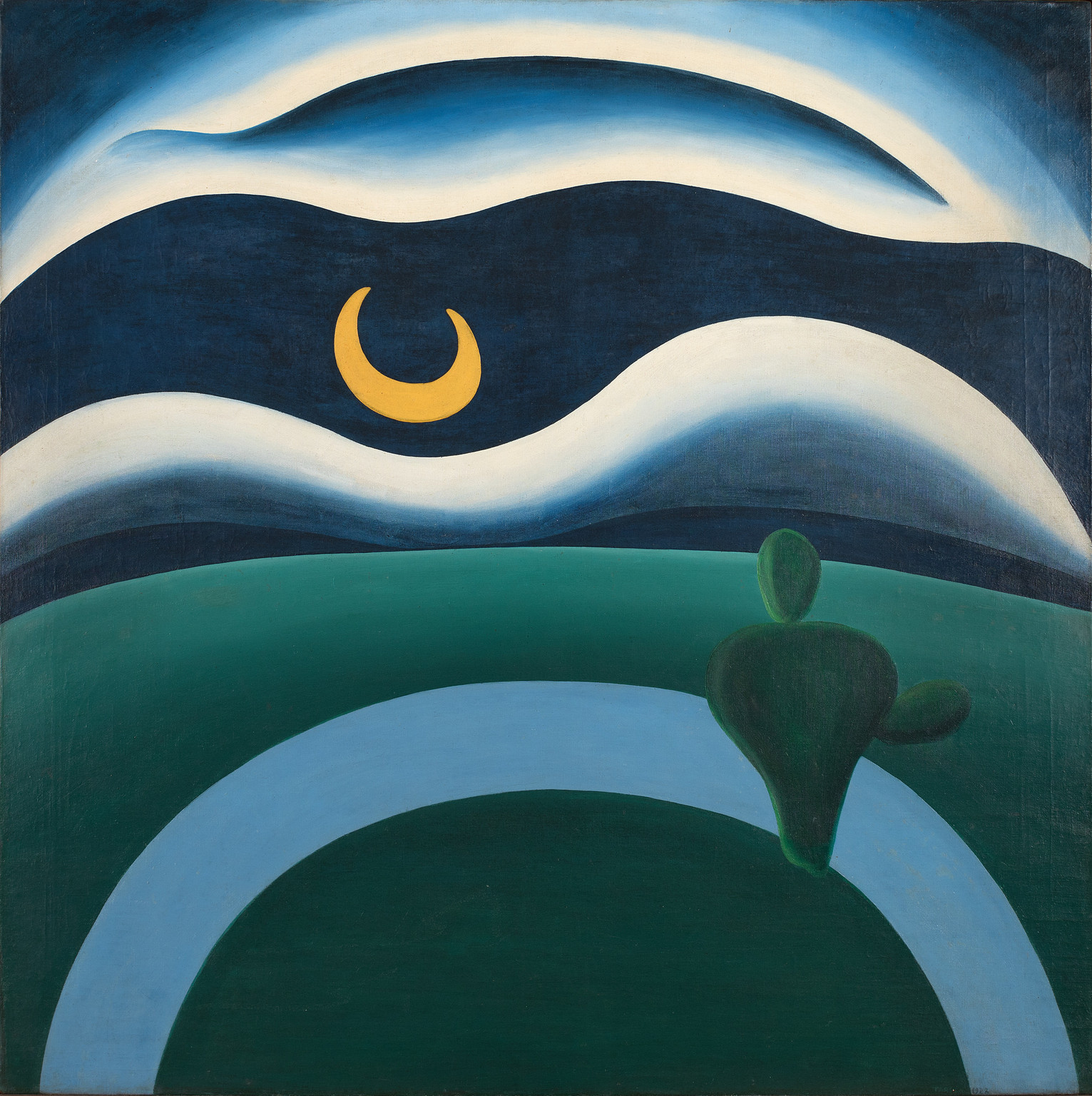
Tarsila do Amaral, (Portuguese pronunciation: [taɾ.ˈsi.la du ˈa.ma.ɾaw] September 1, 1886 - January 17, 1973), known simply as Tarsila, is considered one of the leading Latin American modernist artists, described as "the Brazilian painter who best achieved Brazilian aspirations for nationalistic expression in a modern style." She was a member of the "Grupo dos Cinco" (Group of Five.
ARTE Fonte de Conhecimento O Mamoeiro (1925) Tarsila do Amaral
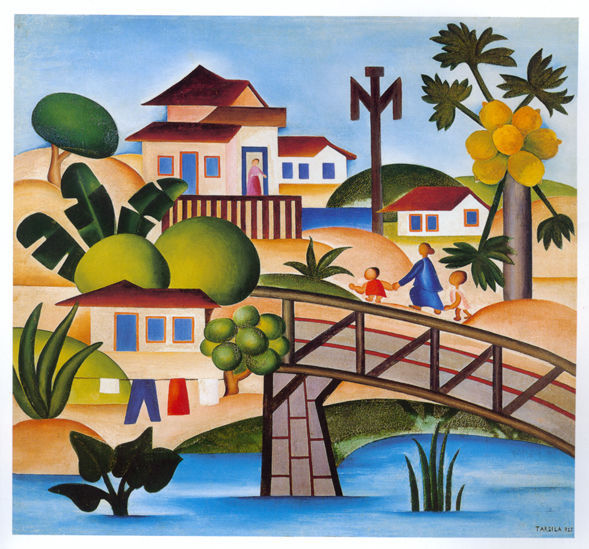
The paintings of Brazilian artist Tarsila do Amaral (1886-1973)—simply known as Tarsila—and the theory of Anthropophagy, or the philosophy of "cultural cannibalism," introduced in 1928 by Tarsila's first husband, Brazilian poet Oswald de Andrade (1890-1954), were for me a major mystery and an obsession for years.. Museu de Arte.
Quadro de Tarsila do Amaral estará à venda por US 7 milhões em feira virtual Diario de Cuiabá

Obras e características da arte de Tarsila. Tarsila pintou mais de 270 obras divididas em algumas fases:. Fase Pau Brasil: marcada pelo uso de cores fortes e temas nacionais (brasilidade);; Fase Antropofágica: inspirada nas vanguardas europeias, surrealismo e cubismo, e sobretudo, ao conceito de antropofagia;; Fase da Pintura Social: focada nos temas cotidianos e sociais do país.
Obras de Tarsila do Amaral Artes InfoEscola
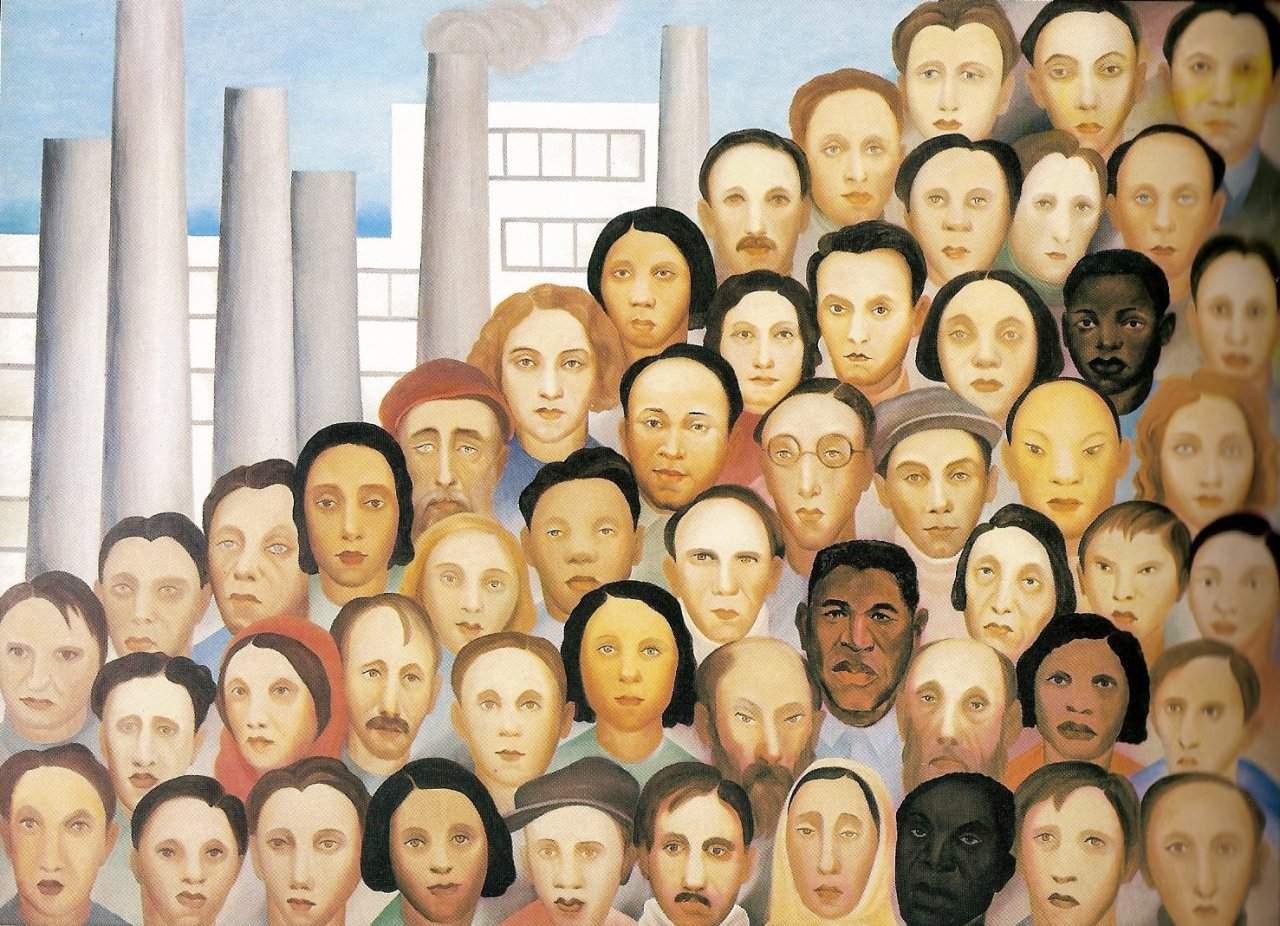
Da esquerda para a direita: Pagu, Anita Malfatti, Tarsila do Amaral, Elsie Lessa e Eugênia Álvaro Moreyra em época posterior à Semana de Arte Moderna de 1922 Voltando a São Paulo em 1922, Tarsila foi exposta a muitas coisas depois de conhecer Anita Malfatti, Oswald de Andrade, Mário de Andrade e Menotti Del Picchia.Esses colegas artistas formaram um grupo que recebeu o nome de Grupo dos.
11 principais obras de Tarsila do Amaral Cultura Genial
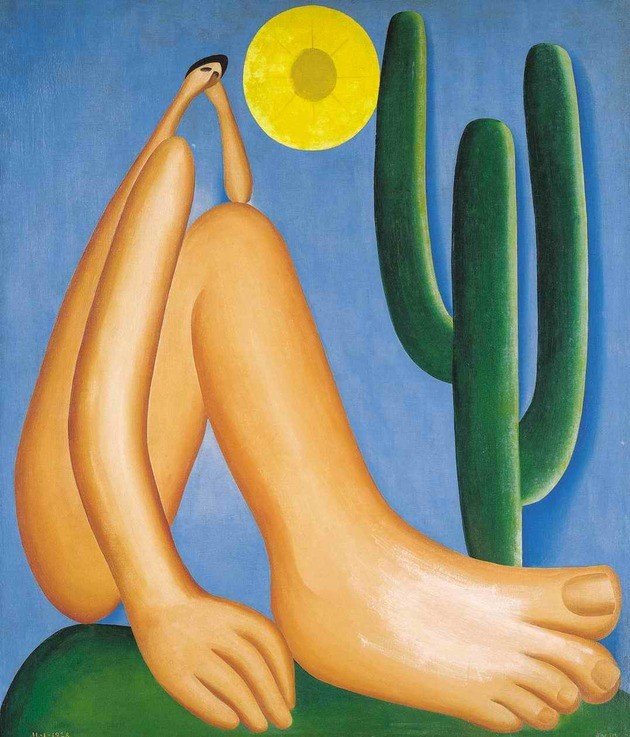
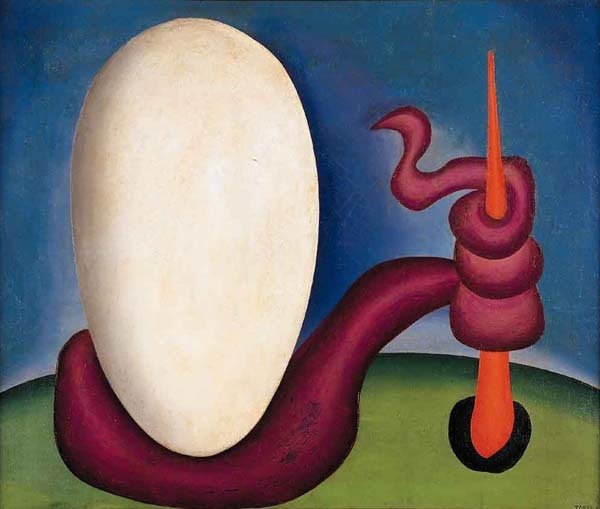
written by the. Antonio Ruiz de Montoya, Tarsila named the painting "aba-poru," a combination of words that has been roughly translated to "man who eats.". Abaporú, which is today in the collection of the Museum of Latin American Art in Buenos Aires (MALBA), has become an icon of twentieth-century Brazilian art.
11 principais obras de Tarsila do Amaral Cultura Genial
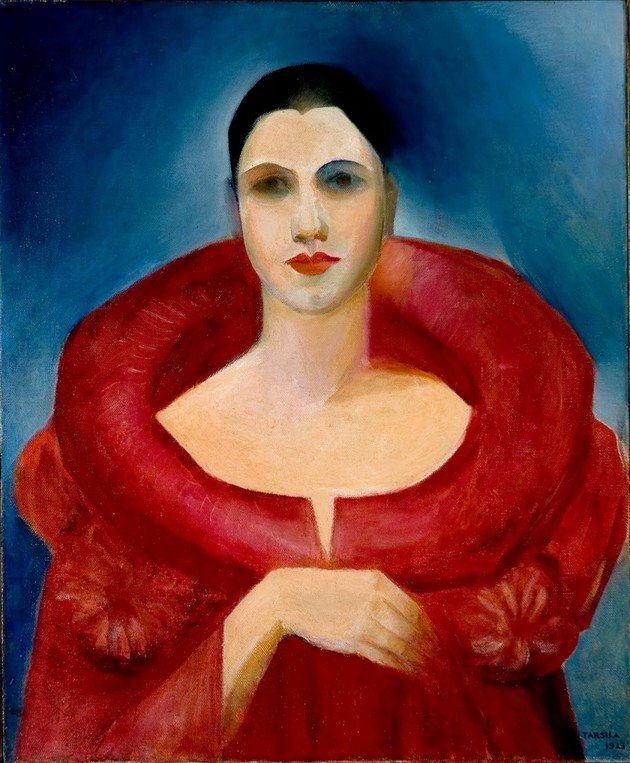
Tarsila do Amaral (born September 1, 1886, Capivari, Brazil—died January 17, 1973, São Paulo) was a Brazilian painter who blended local Brazilian content with international avant-garde aesthetics.. Amaral, who is usually simply called Tarsila, began studying academic painting in 1916. In 1920 she traveled to Paris, where she took classes at the Académie Julian, returning to Brazil just.
‘Abaporu’, de Tarsila do Amaral, volta a casa em grande exposição no Masp VEJA SÃO PAULO
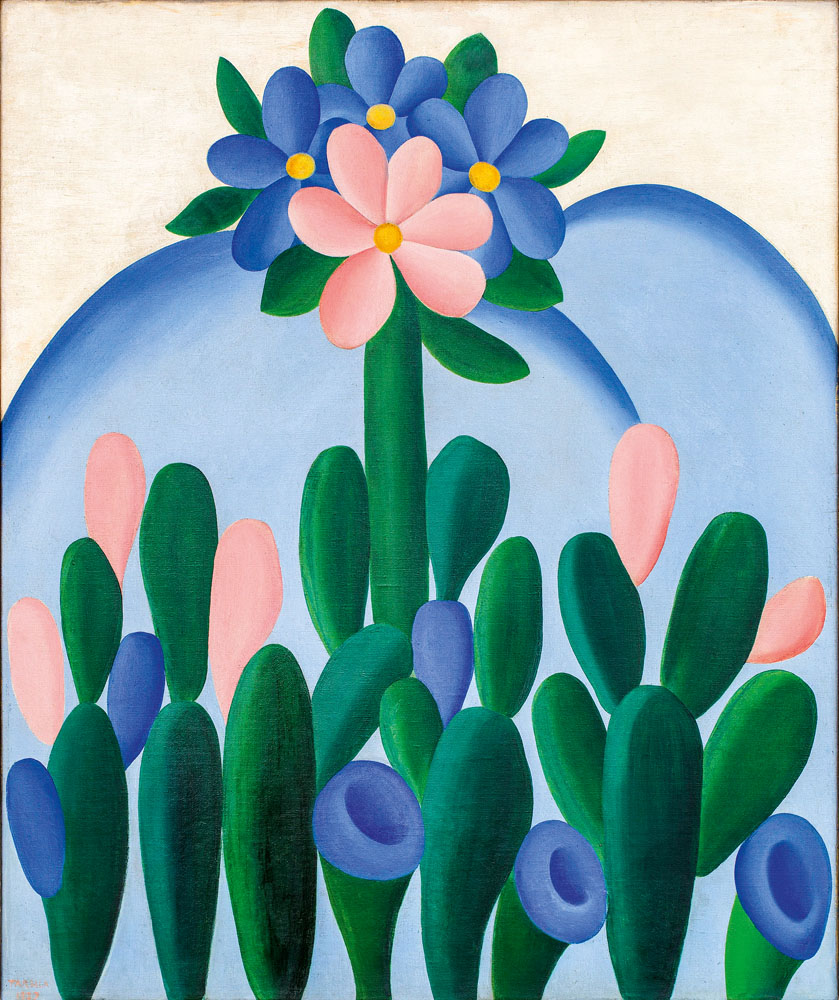
Capivari, Brazil, 1886-São Paulo, 1973. Tarsila do Amaral was one of the foremost visual artists of Brazil's modernist movement during the first half of the twentieth century. With her partner, the poet Oswald de Andrade, Tarsila, as she is popularly known in her home country, was actively engaged in the 1920s in the development of a new.
‘Abaporu’, de Tarsila do Amaral, volta a casa em grande exposição no Masp VEJA SÃO PAULO
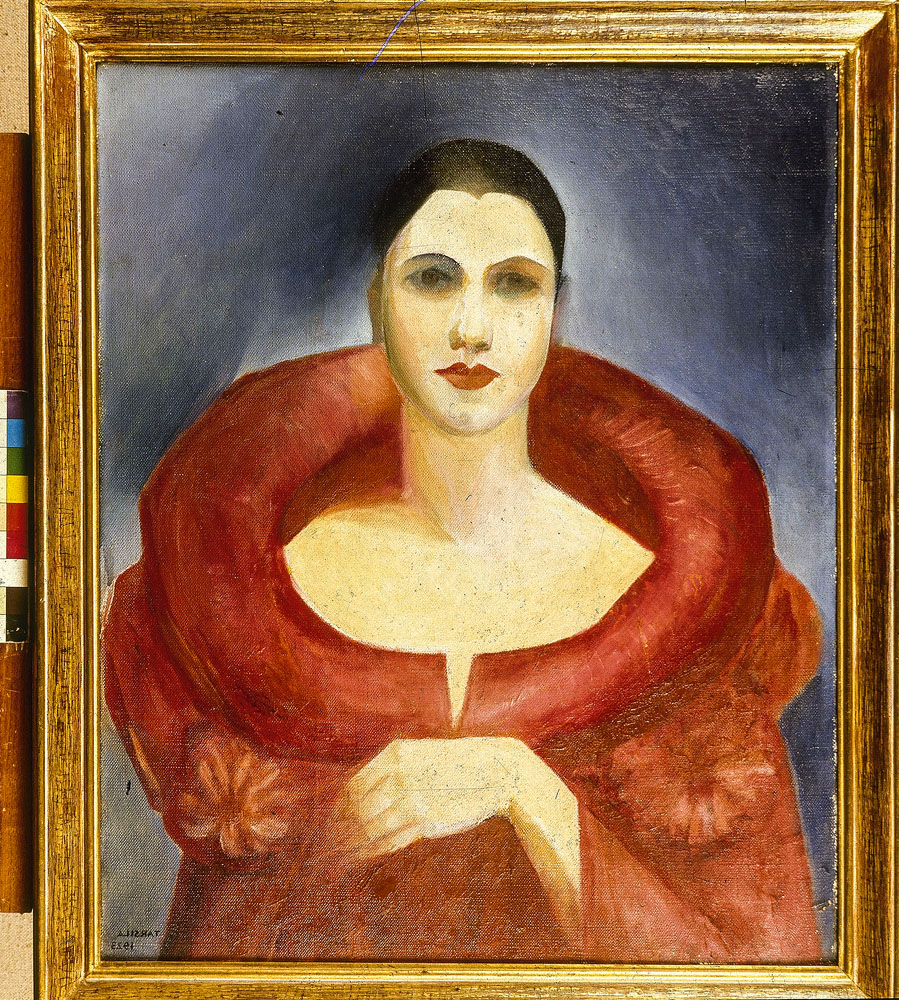
Tarsila do Amaral (Capivari, 1 de setembro de 1886 — São Paulo, 17 de janeiro de 1973) foi uma pintora, desenhista e tradutora brasileira e uma das figuras centrais da pintura e da primeira fase do movimento modernista no Brasil, ao lado de Anita Malfatti.Seu quadro Abaporu, de 1928, inaugura o movimento antropofágico nas artes plásticas.
São Paulo Tarsila do Amaral
.jpg)
Para além do período modernista, sua obra mais famosa, O Abaporu, símbolo do Manifesto Antropófago de 1928, é também o quadro mais valioso da história da arte brasileira. Ademais, Tarsila.
10 curiosidades sobre Tarsila do Amaral que você precisa saber Guia da Semana
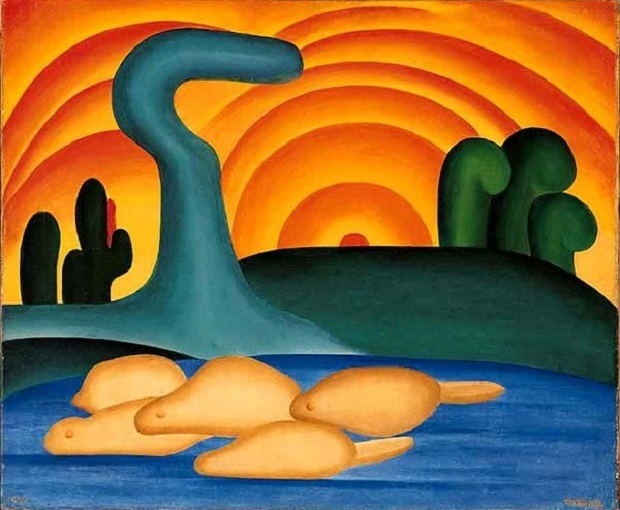
Reproducciónde orden. Tarsila do Amaral (Capivari, São Paulo, 1 de septiembre de 1886 - São Paulo, 17 de enero de 1973) fue una pintora brasileña, la más representativa del movimiento modernista brasileño. Tarsila do Amaral nació en Capivari, Brasil en 1886. Sus padres eran Lydia Dias de Aguiar y José do Amaral Stanislaus.
Artes_Tarsila do Amaral EM Passarelli News

Tarsila do Amaral was one of the greatest Brazilian modernist artists of the twentieth century. Estudo (Academia no. 2) (1923) was painted following do Amaral's painting studies with Lhote and Gleizes, and reveals succinct Cubist influences, particularly in the volumetric and geometric constructions, as seen in the body of the woman in the centre, the furniture, the vegetation at the top.
Paisagem com Touro Tarsila do Amaral encyclopedia of visual arts

Exhibition. Feb 11-Jun 3, 2018. "I want to be the painter of my country," wrote Tarsila do Amaral (1886-1973) in 1923. Born at the end of the 19th century to a family of coffee plantation owners in São Paulo, Tarsila―as she is affectionately known in Brazil―studied piano, sculpture, and drawing before leaving for Paris in 1920 to attend the Académie Julian, the famous art school.
.